
Archives of Change
▶︎ Exploring creative, inclusive approaches to documenting culture
The project connects Third Version Creative (UK), Musyawarah Arsip (MUAR) (Indonesia), and Revoluton Arts (Luton, UK) through a cross-cultural partnership supported by the British Council’s Connections Through Culture (CTC) programme.


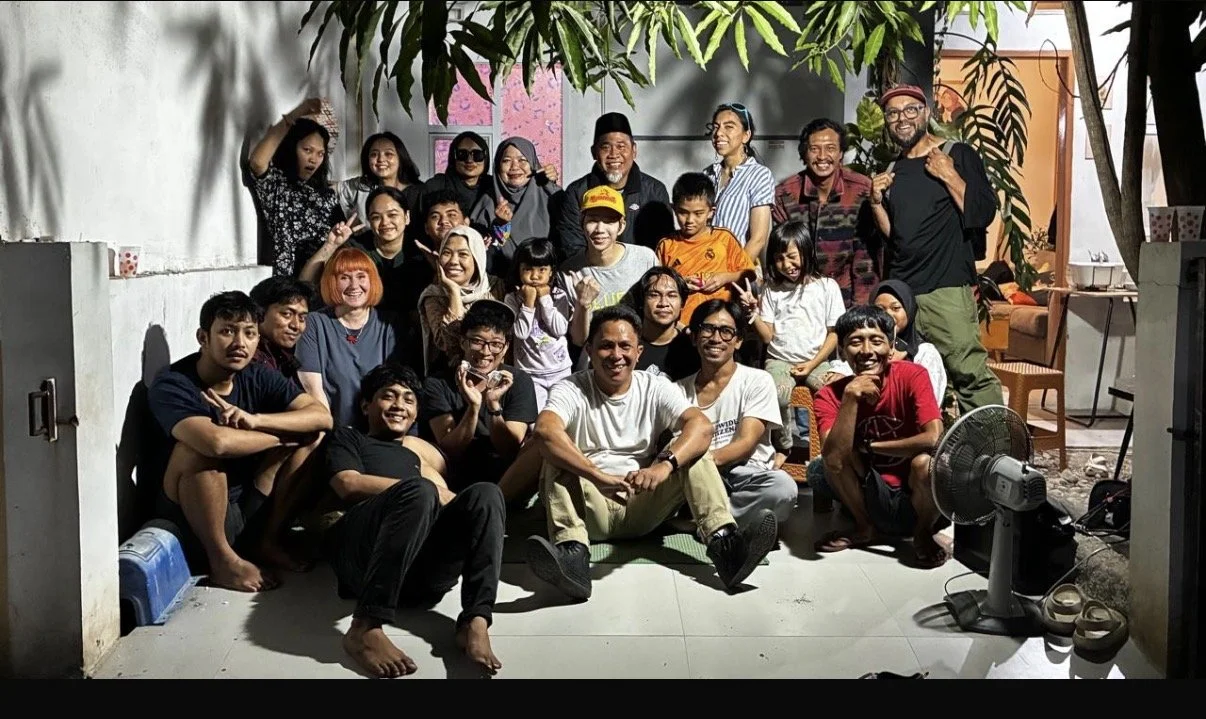
Archives of Change is a research and development project bringing together artists, cultural workers and community organisers from the UK and Indonesia to explore new, inclusive ways of documenting and sharing culture.
The project connects Third Version Creative (UK), Musyawarah Arsip (MUAR) (Indonesia) and Revoluton Arts (Luton, UK) through a cross-cultural partnership supported by the British Council's Connections Through Culture (CTC) programme.
Rooted in societies shaped by migration, transition and colonial legacies, Archives of Change foregrounds experimental, community-led archival practice. It reimagines what an archive can be - not just a collection of objects or records, but a living process of storytelling, listening and collaboration.
It also starts from a harder proposition: that every archive is a decision about what is worth keeping, taken by somebody, under constraint, and almost always on behalf of someone who is no longer able to argue about it.

Phase one
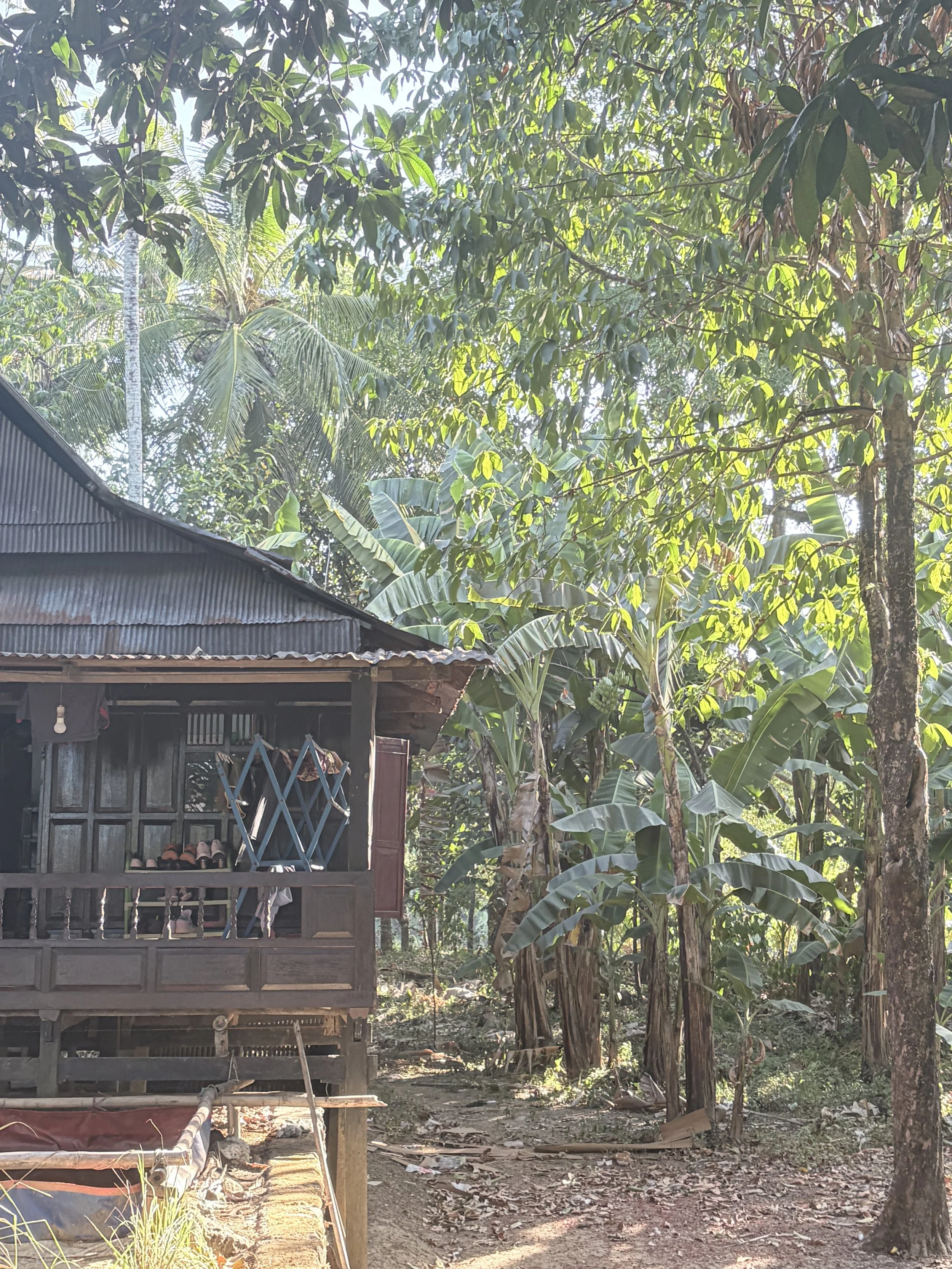
Phase one opened online, with a series of digital exchange labs and peer learning sessions between UK and Indonesian participants. Our Indonesian colleagues have been running online residencies for years, and that experience shaped the format. The labs did the work international projects often skip- establishing a shared language, and surfacing where our terms diverge, before anyone got on a plane.It closed with a ten-day residency in Makassar, South Sulawesi, from 27 August to 6 September 2026, hosted by Riwanua.
The residency was built to be slow. Long conversations, shared meals, extended visits, and enough unstructured time for the questions to change shape rather than be answered. A great deal of it took place in people's homes, including the house where Riwanua itself began. That turned out to be the method rather than the setting.
The project works with archival practices that are low-cost, portable and owned by the people using them:. Creative tools that open up new ways of holding memory and heritage - and that need no gatekeeper, no institutional sign-off and no permission to begin.
What we found
We arrived in Makassar with a definition of an archive and left with a more demanding one. Three findings are shaping how the partnership works from here.
An archive is an act of authorship. Not a neutral store. Someone chooses, under constraint, usually after the owner has lost the ability to object. Any practice calling itself community-led has to be clear about who is doing the choosing, and on what basis.
Multiple custody is possible. The assumption that a record, an object or a story has one correct home, and that every other claim is therefore mistaken, is a particular cultural inheritance rather than a universal truth. There are working alternatives, and they are not a compromise.
Non-extractive is a condition, not a method. We wrote it into the framework, as everyone does. It became real because of generosity extended to us repeatedly, at length, and unasked - which is the necessary caveat on the value, and worth stating plainly.

What comes next
Archives of Change is the first phase of a longer-term partnership between UK and Indonesian collaborators, laying the groundwork for further research, creative production and shared archival strategies. A return leg of the exchange is in development with Revoluton Arts, bringing the project's questions home to a town with its own arguments about who holds the record.
At its heart, Archives of Change is about mutual exchange and ethical collaboration. It invites practitioners to rethink how we engage with cultural memory, and how artistic and community-led practice can document histories that are fluid, collective and deeply human.
Partners:
Musyawarah Arsip (MUAR), Indonesia
Revoluton Arts, UK
Makassar residency hosted by Riwanua
Supported by the British Council's Connections Through Culture programme