
Some months you catch your breath. This one doesn't leave much time for it. August pulls us in two directions at once and somehow they turn out to be the same.
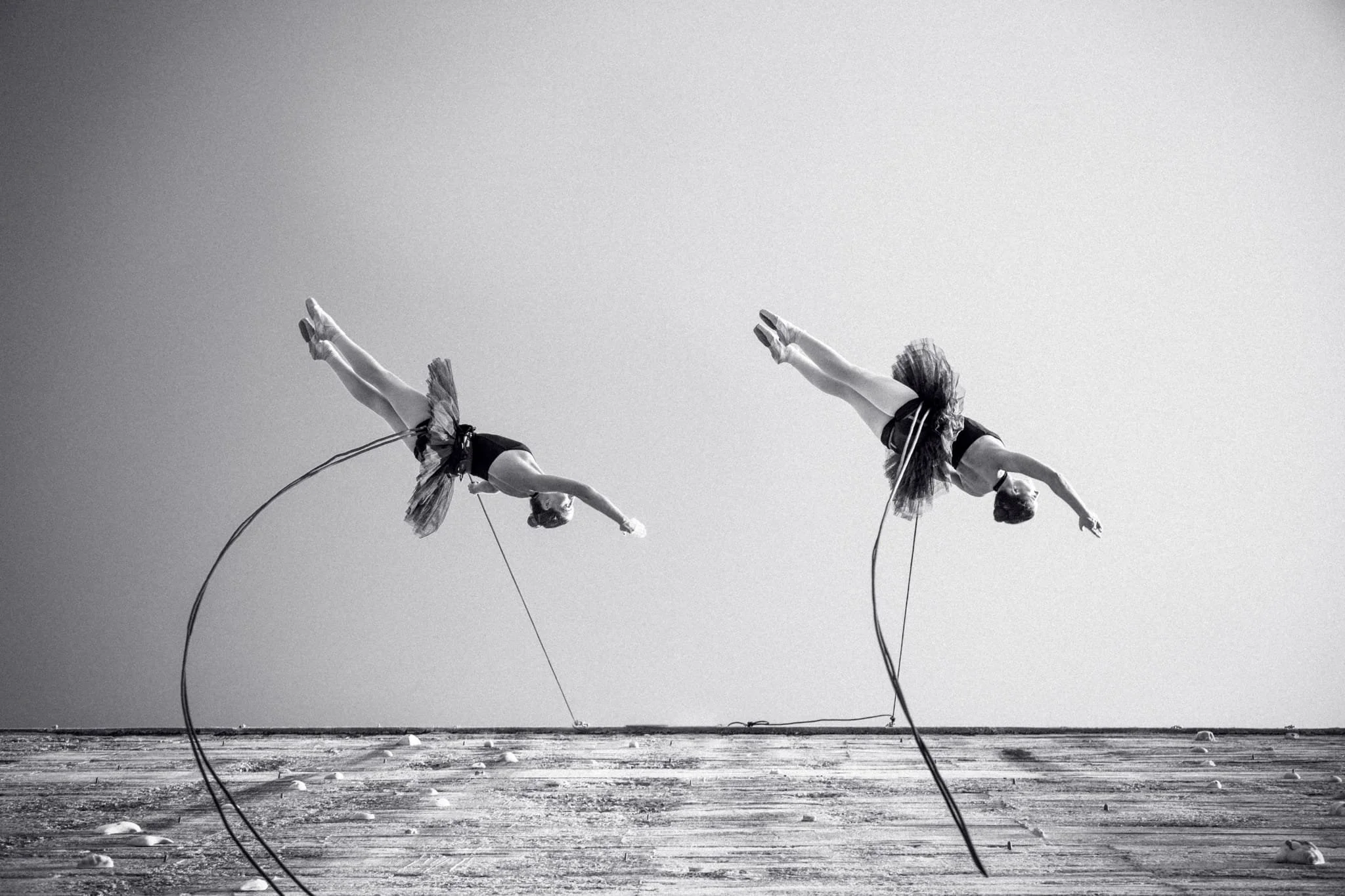
This month the UK City of Culture 2029 bids close, and later in August our work takes us to Indonesia to begin Archives of Change, a new exchange with the British Council. A competition about place, and a conversation about memory both, in the end, asking the same question: what does it take for culture to take root somewhere, and to still be standing once the attention has moved on?
Could we all just win something?
This month, nine places submit their final bids for UK City of Culture 2029, with the deadline falling on 10 August. One title, £10 million, and a chorus of ambitious, carefully-worded promises about transformation, pride and opportunity. We've been deeply involved in Ipswich's bid part of the journey from the start, shaping thinking, connecting ideas, and helping articulate what makes the place distinct and what change might genuinely be possible there. It's a place with a story worth telling, and it's been a privilege to be in the room as that story has taken shape.
But we've also learned to look past the result. Eight of those nine places won't win, and the question we keep returning to the one that matters long after the bunting comes down is what a place decides to carry forward regardless. A bid year brings energy, investment and a rare moment in the national spotlight. What happens when the spotlight moves on is a different story: programmes end, partnerships drift, and the people who made it happen too often take their skills elsewhere. The harder question isn't whether a year of culture makes an impact the evaluations are clear that it does but how much of that impact is still standing once the winners have moved on. We've seen one answer first-hand in County Durham. Its 2025 bid didn't win; Bradford did. But out of that process came Ensemble 84 now an award-winning company with its own theatre, a former church in the pit village of Horden, reopened as a working playhouse. No City of Culture year required. Good luck to Ipswich - and to all of the bidding cities.
Archives of Change
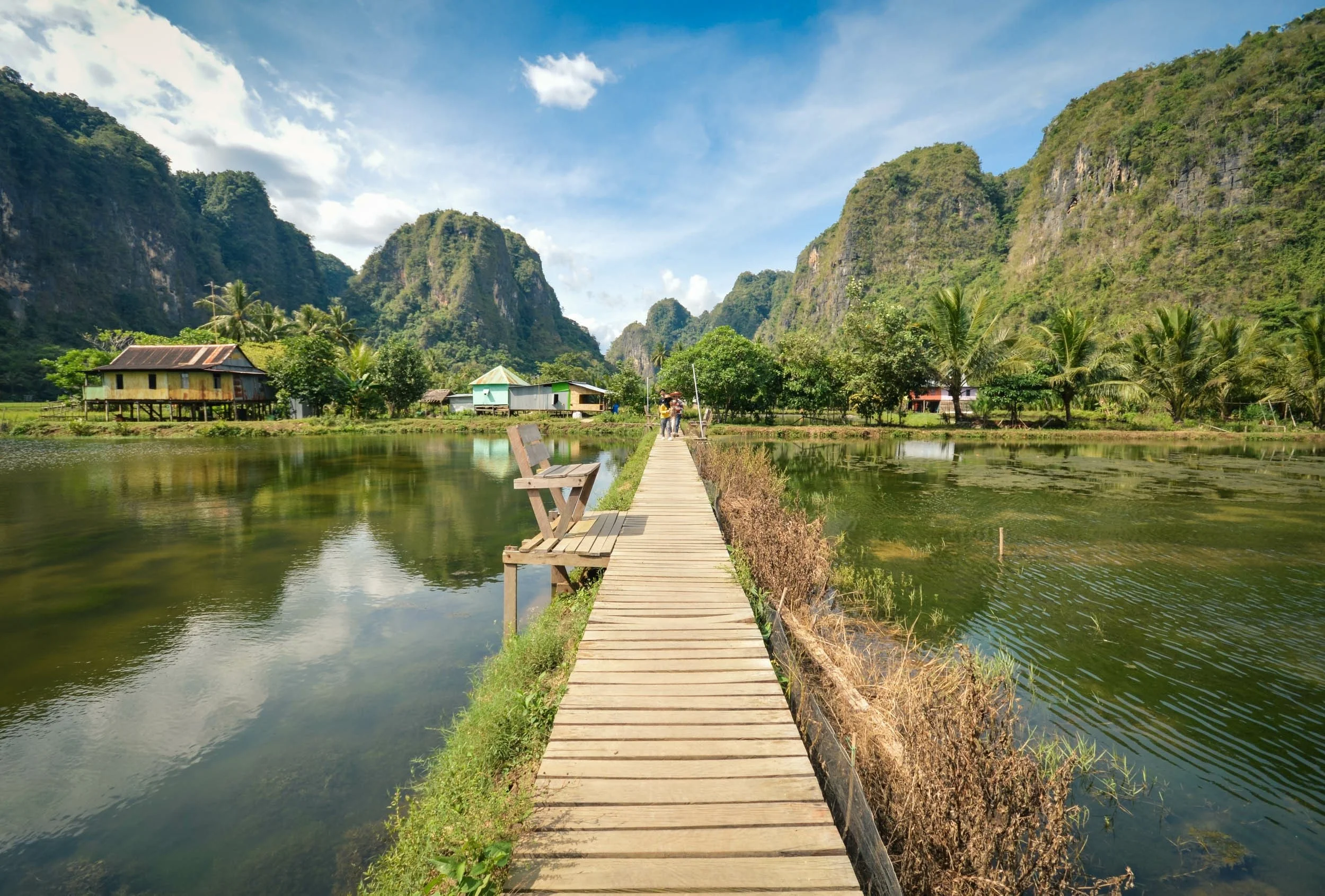
Later this month, our work takes us to Indonesia. Archives of Change is a new international residency and supported by British Council connections through culture. The project is built around a question that feels increasingly urgent: how is culture documented, remembered and carried forward in societies navigating change? Over the coming weeks, artists and cultural practitioners from the UK and Indonesia will come together to share how each of us holds memory and story what gets recorded, who keeps it, and what endures as places, politics and communities shift. We're drawn to this because it sits exactly where we like to work: between forms, between practices, and between places that don't often get the chance to be in the same room. It won't be a one-way transfer of ideas but a genuine meeting UK and Indonesian practitioners learning from the particular ways each holds on to the past and imagines the future. That kind of exchange is slower and more careful than a straightforward tour, and far richer for it. It also feels important now. At a time when international collaboration can feel harder to sustain when budgets tighten and the connections that let artists travel are often the first to fall away this is exactly the kind of work we're committed to protecting. We'll be sharing more as the project unfolds, and reflecting on what it teaches us about memory, record and change, at home as much as abroad.
In Portsmouth with Crying Out Loud
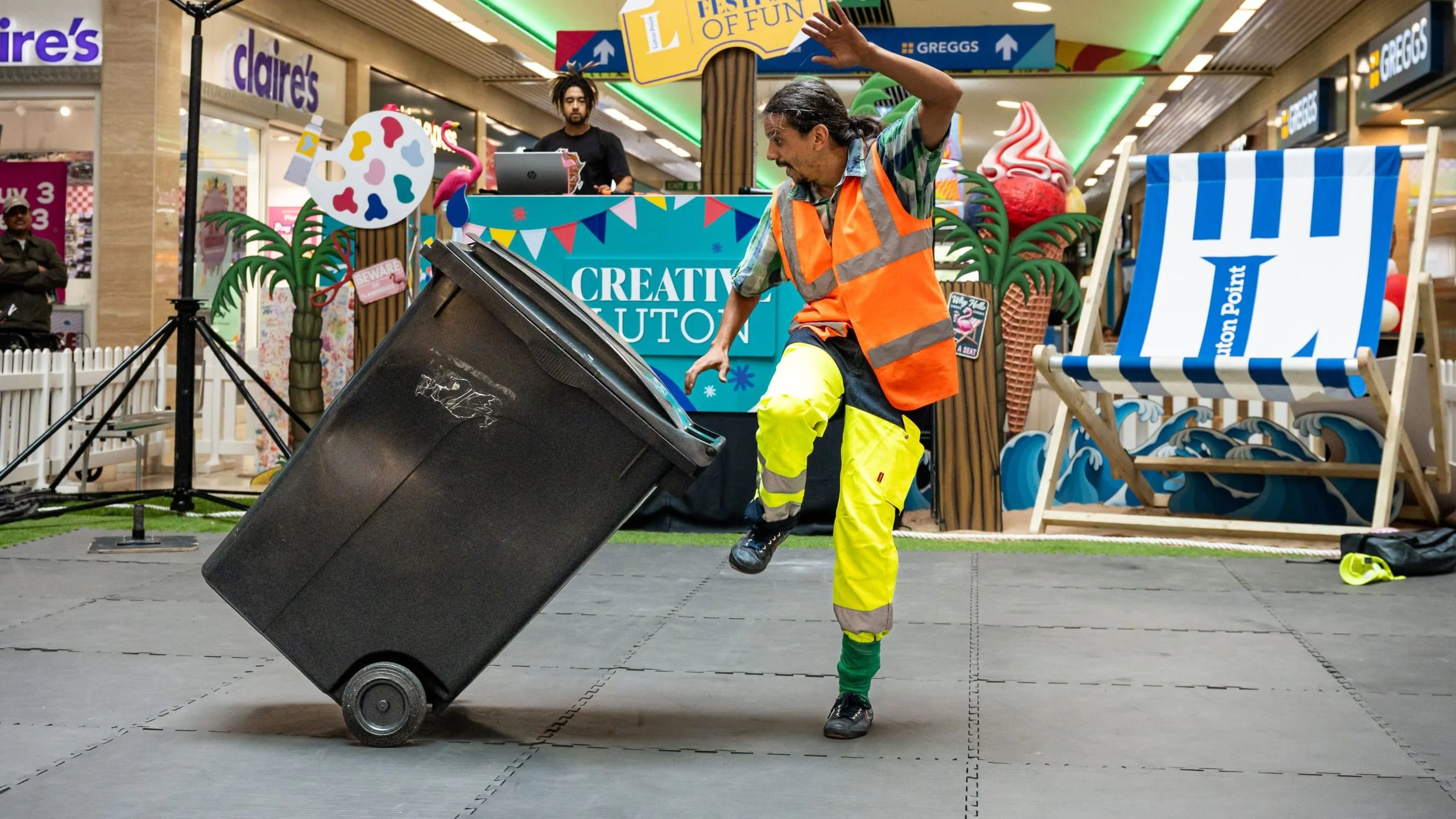
Image: Jimmy-Lee
Last weekend we were in Portsmouth, joining our consortium partners Crying Out Loud for Circus in Motion, part of The Point Is Portsmouth, the season of world-class outdoor performance filling the city from June through September. Alongside the work itself, we took part in a panel discussion on concept touring a subject close to our practice. It's the model we've been developing through Future Cargo's journey across Greece and Bulgaria: work that doesn't simply arrive fully-formed, but evolves in each location through collaboration with local performers and partners, adapting to new spaces, contexts and audiences. As touring becomes harder and more expensive, these questions of how work travels, and how it changes as it goes feel more urgent than ever. It was a rich conversation, and a reminder of how much appetite there is for making and touring work differently.
Looking ahead
We were in India, for the Kochi Biennale and then Brighton for Caravan Assembly reconnecting with artists, programmers and international festivals, and having some of the most honest conversations we've had in a while about the state of touring, creative risk and what the future of the sector might hold.